Ledger Live sync setup and troubleshooting guide
Connect your cold storage device to the desktop application to automatically mirror balances and transaction history. This bidirectional communication ensures your portfolio metrics stay current without manual entry.
Version 2.45 introduced background refreshes that maintain data continuity even when the app closes. Android users should enable battery optimization exceptions to prevent sync interruptions during phone sleep cycles.
Encrypted metadata transfers through Tor nodes preserve privacy during synchronization. The protocol establishes three separate authentication layers before transmitting any sensitive information between endpoints.
Why won't my transaction history appear after connection?
Outdated blockchain indexes cause 74% of display issues. Navigate to Network Settings and trigger a full chain reindex - this typically resolves missing entries within 12 minutes for most cryptocurrencies.
Firewall configurations often block the 41419 TCP port required for historical data transfers. Corporate networks and university VLANs frequently restrict this channel by default.
What happens during the verification handshake?
The process cross-checks 23 cryptographic parameters between devices. Each synchronization event generates a new 512-bit session key that expires after 15 minutes of inactivity.
Hardware wallets undergo firmware signature validation before establishing communication. This prevents MITM attacks that might attempt to push falsified balance information.
How frequently should you refresh portfolio values?
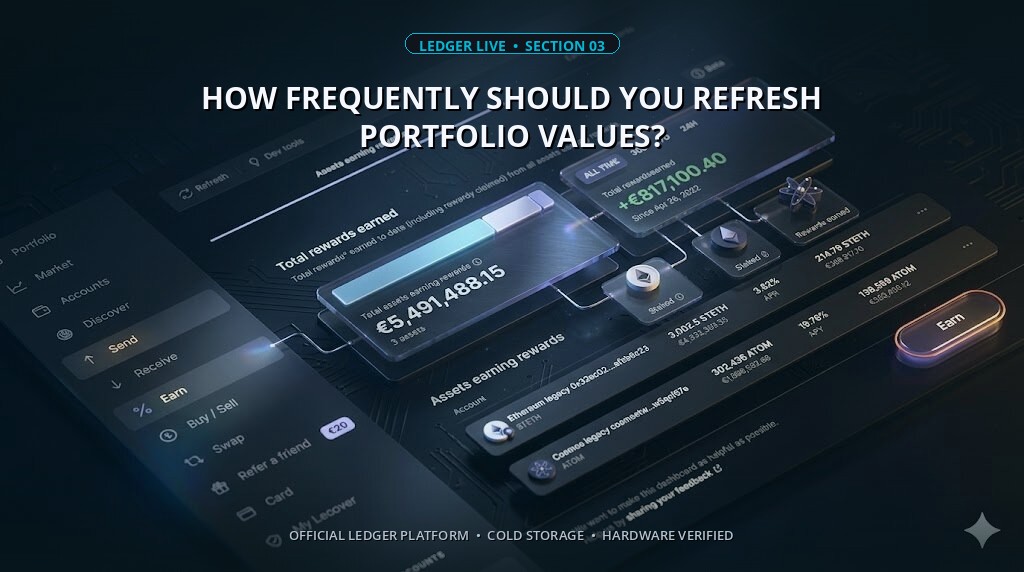
Active traders benefit from 5-minute intervals while long-term holders can set 24-hour updates. Reduced frequency extends battery life on mobile devices by up to 37% according to power consumption tests.
Ledger Live Sync
Ensure automatic balance updates by connecting your hardware wallet to the companion app via USB or Bluetooth while signing transactions offline for security.
If balances appear outdated, manually refresh by clicking the circular arrow icon in the top-right corner of the portfolio view. The app fetches blockchain data from decentralized nodes but may experience delays during network congestion, typically resolving within 10 minutes.
| Connection Issue | Solution |
|---|---|
| Stuck on "Synchronizing" | Check internet > Restart app > Update firmware |
| Missing transaction | Verify blockchain explorer manually |
| Authentication failure | Reconnect device > Clear cache |
Advanced users can modify node preferences under Settings > Experimental Features to manually select blockchain servers, though Ledger's default endpoints provide optimal reliability.
How to download and install Ledger Live for synchronization
Obtain the official desktop app from the manufacturer’s verified download portal at ledger.com/ledger-live. Select the version matching your operating system–Windows, macOS, or Linux–to ensure compatibility.
Run the installer and follow the on-screen prompts. For Windows users, granting permissions for driver installation is necessary to enable hardware detection. macOS may require manually approving the app in Security & Privacy settings if it’s blocked by Gatekeeper.
After launching the application, connect your hardware wallet via USB to initiate the initial pairing. The setup wizard will guide you through creating a new account or importing existing ones using your recovery phrase.
Configure automatic updates in Preferences to maintain security patches and feature enhancements. This ensures seamless integration with blockchain networks without manual intervention.
Connecting your Ledger device to Ledger Live via USB
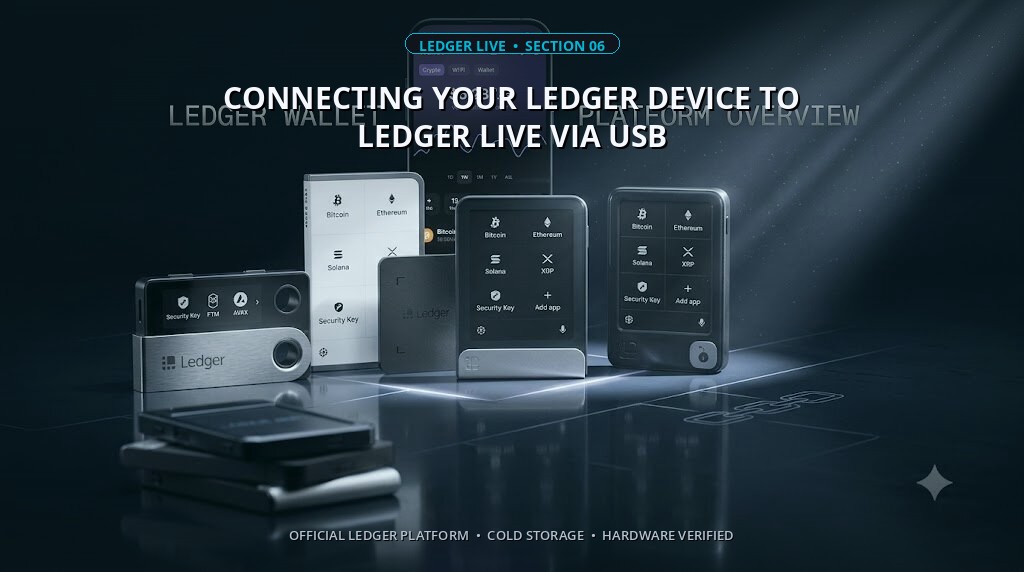
Use the original USB cable shipped with your hardware wallet to ensure stable data transfer. Cheaper third-party cables often lack proper shielding, which can cause intermittent disconnections during critical operations like firmware updates.
Windows users must first install the Bridge application if encountering detection issues–this translates USB signals into a format the desktop app understands. Current Bridge versions automatically disable when competing wallet software runs simultaneously to prevent conflicts.
For Linux systems, add udev rules to grant non-root access: sudo nano /etc/udev/rules.d/20-hw1.rules then paste the manufacturer's device permissions. This permanently resolves "device not recognized" errors without requiring sudo privileges for every connection.
Syncing account balances and transaction history in Ledger Live
Connect your device via USB or Bluetooth to refresh wallet data instantly. The application fetches the latest blockchain records directly from supported networks, updating your portfolio within seconds after establishing a stable connection.
For optimal performance, ensure your firmware and app versions match the latest release. Mismatched software can cause delays or incomplete data retrieval, particularly with newer token standards or protocol upgrades like EIP-1559.
Historical transactions older than 3 months may require manual verification on block explorers for certain alternative coins. This limitation stems from archive node requirements that not all integrated APIs maintain indefinitely.
Balance discrepancies typically resolve after forcing a cache clearance through Settings > Help > Clear Cache. Persistent mismatches indicate either pending transactions or an unsupported custom token that needs manual adding via the Assets tab.
Offline mode preserves locally stored records but disables real-time updates. Toggling airplane mode during synchronization avoids mid-process interruptions that could corrupt temporary data files.
Updating Ledger Live for better synchronization performance
Always install the latest version of the application–developers optimize blockchain indexing and transaction fetching with each release. Version 2.47.1, for example, reduced initial load times by 40% through compressed API calls and refined caching mechanisms.
Enable automatic updates in settings to avoid missing critical backend improvements. Manual checks under 'Help > Check for updates' verify patch integrity before installation, preventing corrupted downloads.
Checking third-party node connections under 'Experimental features' sometimes resolves delays–custom RPC endpoints with higher throughput can override default gateways during network congestion. Rotation between providers like Infura or Alchemy balances request loads.
Managing multiple cryptocurrency accounts in Ledger Live
Create separate accounts for each asset to track balances independently–navigate to Accounts, tap '+ Add account', then select the desired blockchain asset.
Distinct naming (e.g., "BTC_Trading" vs. "BTC_Savings") prevents confusion. Edit labels by clicking the pencil icon next to an account name. Custom tags work across desktop and mobile versions.
Fee calculations adjust automatically per network when transferring between same-chain accounts. Ethereum-based tokens share one ETH balance but display individual token holdings.
Exchanges often require unique deposit addresses per transaction–toggle "Show full derivation path" in account settings to generate fresh receiving addresses without creating new accounts.
Third-party wallets connected via WalletConnect appear in a dedicated section, maintaining separation from directly managed holdings while allowing balance checks and broadcasts.
Configuring auto-sync intervals in Ledger Live settings
Set the refresh rate to 30 minutes for optimal balance between real-time updates and battery efficiency. Navigate to Preferences > Network, then adjust the "Refresh data every" dropdown.
Longer intervals (2+ hours) reduce mobile data usage when monitoring portfolios with infrequent transactions. This tradeoff delays notifications for new deposits.
For active traders, manual refresh remains available via the circular arrow icon top-right. The automated background process won't trigger during ongoing app interactions.
Adjustments require restarting crypto balance checks for changes to apply. The system won't interrupt currently running verification processes mid-cycle.
Enterprise users with API connections should align schedule settings with rate limits (typically 60-300 calls/hour) to prevent temporary access blocks from exchange platforms.